Hardware
Computer hardware refers to the physical components that make up a computer system, including the electronic and mechanical parts. These components include the central processing unit (CPU), memory (RAM), storage devices (such as hard drives or solid-state drives), input devices (such as keyboards or mice), output devices (such as monitors or printers), and various other components that enable the computer to function.
The CPU, also known as the processor, is the “brain” of the computer that executes instructions and performs calculations. RAM, or random access memory, is the temporary storage area that the CPU uses to store data and instructions as it processes them. Storage devices provide a more permanent means of storing data, such as documents, music, and photos, while input devices allow users to input data and commands into the computer, such as typing on a keyboard or clicking a mouse. Output devices display or provide access to the results of computer processing, such as showing images on a monitor or printing a document.
Computer hardware can vary in terms of performance, speed, and capacity, depending on the intended use and user requirements. Advances in technology continue to drive improvements in computer hardware, making it faster, smaller, and more powerful.
In this video, we will take a look at the new “MacBook Air M1 Chip Unboxing and Review”. This new powerful MacBook Air computer from Apple is small, lightweight and the most powerful computer of its size. Check out this new review video and find out what makes this one of the highest-selling laptops of
MacBook Air M1 Chip Unboxing and Review Read More »
The Google Glasses device is meant to be worn by a user and is capable of presenting media content to the user. Media content is a very vague term as most audio and or visual content is media, in the broadest sense. The patent notes also tell us that the device will be designed as
Google Glasses – A New Way to See the World Read More »
Of all computer peripherals on the market, the humble mouse is easily the one that’s been most maligned. Essentially unchanged in design and functionality for two decades, the mouse has finally come into its own having now claimed the title “smart”. Having languished in the shadows of hardware such as speakers, printers and external hard
Smartmouse: The Mouse That Remembers Read More »
Last week, Google rolled out its much anticipated Chromebook Pixel laptop with the intent to impress. Early response to the high-resolution touch screen and powered by an Intel Core i5 processor has been very positive. Google’s new Chromebook Pixel laptop enjoys features such as 12.85-inch touch- sensitive employing Corning’s latest Gorilla glass screen technology for
The Chromebook You Can Touch Read More »
Iconic computer manufacturer Dell has entered an agreement with private equity firm Silver Lake Partners, Microsoft and Dell founder Michael Dell to privatize the company in a deal estimated to be worth a whopping $24.4 billion. The newly formed triad hopes to buy the company from the shareholders for $13.65 a share. The purchase price
Dell: The Ever Changing Market Read More »
Glass has stood the test of time as the most versatile by-product of nature. Composed entirely of silica, glass has served man well for centuries. Its application of uses has included everything from dinnerware to fiber optics, electrical insulators, microchips and more. Today, glass plays a wider role in our everyday lives than ever before.
Gorilla Glass: Strong as a Gorilla Read More »
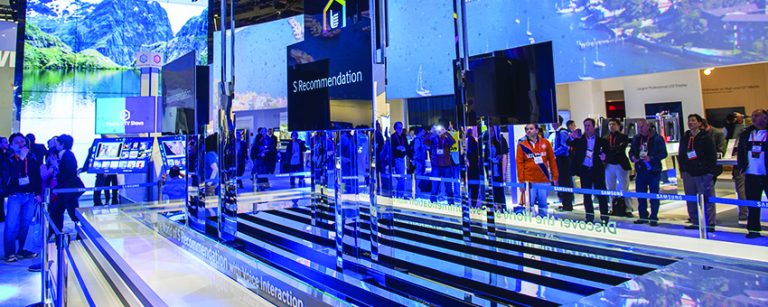
The Consumer Electronics Show is known for showcasing fun and unique inventions ranging from the superfluous to the essential. Here are three new inventions that were introduced at the show in Las Vegas this year. Perhaps you’ll find them to be enhancements to your life or more junk to clutter your drawers. You be the
Fun Found at CES 2013 Read More »
Lenovo is riding the Window’s 8 wave with touch screens being introduced to many of its laptop lines along with an all-in one PC model. Lenovo is planning on upgrading its U310 to touch screen. It will be available for about $779. The upgrade was introduced to the CES 2013 Show in Las Vegas to
Touch Screen: Reach Out and Touch A Lenovo Read More »
After Google’s announcement of the “Glass Project” back in early 2012, even Google-phials expressed some skepticism in exactly how people could make the optical device a center-piece for like-minded Google fans. Google chose to pull no stops in promoting “Project Glass” during the sneak preview. The compact device consists of a camera,… and that’s about
Google Glasses: It’s All About Timing Read More »
The venerable keyboard has not received the respect it deserves as the workhorse of all peripheral computer equipment. Its history can be traced back to the 1870’s with the introduction of the tele-printer devices used to transmit stock market information. Today, the keyboard remains the most used device directly interacting with a computer. Keyboards endure
Saving Computer’s Oldest Friend Read More »