
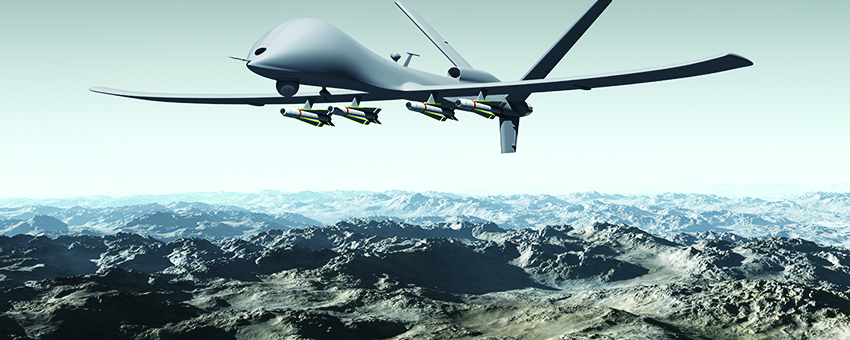
If you have not heard; drones are everywhere. They are in the hands of the skilled and the amateur and are being used in a wide range of professional applications or just for hobby. However, no matter what they are used for, drones are becoming more prevalent these days.
Drones are also known as Unmanned Aerial Vehicles (UAV). These unmanned crafts can be piloted/controlled or programmed. Many people are familiar with the drones used by the military. These drones are programmed for surveillance or for delivering ammunition power into areas where it is not safe for soldiers to venture. Let us examine some of the other uses for drones:
Emerging Commercial Applications
Beyond hobby use and military operations, drones are rapidly transforming a wide range of commercial sectors. In agriculture, UAVs equipped with multispectral cameras monitor crop health, detect irrigation issues, and even apply fertilizers or pesticides with pinpoint precision. In logistics and delivery, companies are experimenting with drone fleets to deliver small packages and medical supplies to remote or traffic-congested areas — reducing delivery times and costs. In infrastructure and energy, drones inspect pipelines, railways, wind turbines and power lines, enabling safer, faster and lower-cost maintenance compared to traditional methods.
Challenges and Considerations
While the potential of drones is great, several challenges remain. Regulation is a key hurdle: in many countries the rules around drone flights, air-space integration, pilot licensing and privacy protection are still evolving. Battery life and payload limitations continue to restrict flight durations and the types of tasks drones can perform. Weather conditions such as high winds, rain or poor visibility can hamper safe operations. Data management is another critical area: drones generate large volumes of imagery and sensor data — organizations need robust systems to store, process and extract value from this data, while respecting privacy and security requirements.
The Future of Drone Technology
The next wave of innovation will likely include increased autonomy, swarming capabilities, and integration with artificial intelligence (AI). Imagine fleets of drones cooperating to survey a large construction site, dynamically adjusting flight paths, sharing data in real-time and autonomously avoiding obstacles. Advances in battery technology, such as solid-state batteries or hydrogen fuel-cells, may extend flight times significantly. We may also see tighter integration with the Internet of Things (IoT), where drones serve as mobile sensor-nodes in smart-city ecosystems — monitoring air-quality, traffic flow or emergency events.
What That Means for Businesses and Web Developers
For businesses in web design, marketing, analytics or digital services (such as the core services of Final Web Design, Inc.), drones offer new opportunities. High-quality aerial imagery and video captured by drones can enrich websites, enhance virtual tours, or power immersive experiences. Web developers must also consider how to integrate drone-generated media into responsive design, build platforms for managing streaming data or live feeds, and ensure compliance with regulation and data-handling best practices. For digital marketing teams, drone footage can create compelling social media content and elevate brand storytelling in ways that were once cost-prohibitive.
One of the unique abilities of drones is their ability to stay in-flight for an extended period of time. It is not unusual for some drones to be in the air for over 80 consecutive hours. Interestingly, for those individuals who are do-it-yourselfers, there are kits available.
For a drone to work there needs to be the craft itself, a Ground Control Station (GCS), and a data link. There might even be other support equipment needed. For general purposes, there are three types of drones that are available and they are planes, rovers, and copters. The rover is ground-based.