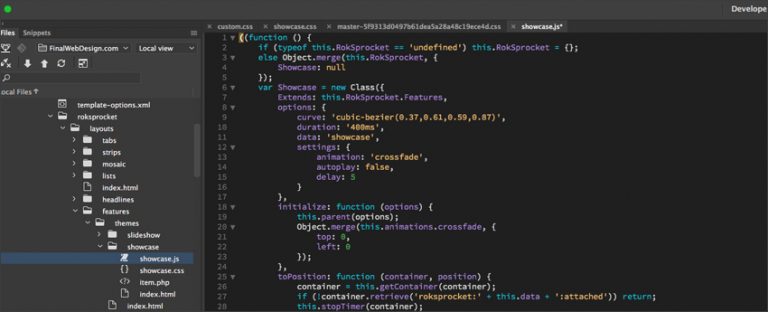
Here is a quick updated video on my current status as a remote developer. This update includes some of my recent work, projects and even recent travel as a remote website, application and software engineer. Working as a remote developer also means adapting to a dynamic work environment that comes with both unique benefits and challenges. Remote work offers flexibility, allowing developers to design their own schedules, reduce commute time, and often achieve a better work-life balance. This flexibility can boost productivity and satisfaction, as developers can work during their most productive hours and tailor their workspace to suit their needs. However, remote work also requires strong communication skills and reliable collaboration tools to stay aligned with team goals, especially when working across different time zones or with distributed teams. Leveraging modern platforms like Slack, Zoom, and project management tools helps maintain clear communication and fosters a sense of connection despite physical distances. Building strong routines and maintaining open dialogue ensures that both developers and clients benefit from the advantages of remote work.
You can view this video on our YouTube page at https://youtube.com/watch?v=VjhgBTSAbz8.
Find out more by visiting our contact form at https://finalwebdesign.com/contact-us or calling our team today at (888) 674-7779 today.
What Actually Makes Remote Development Work
The tooling for remote work stopped being the hard part some time ago. What separates a productive remote developer from a frustrated one is almost entirely process. Clear written communication matters more than it does in an office, because context that would have been absorbed by overhearing a conversation now has to be recorded deliberately. Decisions that live only in a video call effectively did not happen.
Working Across Time Zones
Overlap hours are the scarce resource. When a team spans several zones, protecting a small window of shared time for the conversations that genuinely need to be synchronous, and pushing everything else into writing, tends to work better than trying to replicate an office schedule. Detailed pull request descriptions, decision records and thorough tickets are what let work continue while half the team is asleep.
Environment and Equipment
The unglamorous investments pay off first. A reliable internet connection with a backup option, a proper chair, an external monitor and a decent microphone remove far more daily friction than any productivity application. Audio quality in particular is worth spending money on, since it affects every meeting you attend and is the most common cause of exhausting calls.
Boundaries
The risk in remote work is not that people do less, it is that the workday never clearly ends. A defined start and finish, a workspace that can be walked away from, and genuine breaks are what make this sustainable across years rather than months. Working from different locations adds a layer of logistics worth planning for: check connectivity before committing to a stay, keep a mobile hotspot as a fallback, and be realistic about how much focused work happens on travel days.
Staying Visible
Remote developers can become invisible without meaning to. Sharing progress in a channel where others can see it, writing up what you learned when you solve something difficult, and being responsive during overlap hours all build the trust that makes flexibility possible. Visibility is not about performing busyness, it is about making your work legible to people who cannot see you working.